


Are natural wood frames more expensive than other types of frames?
As a supplier of natural wood frames, I often encounter customers who are curious about the cost comparison between natural wood frames and other types of frames. In this blog post, I will delve into this topic, exploring the factors that contribute to the pricing of different frame materials and determining whether natural wood frames are indeed more expensive.
Understanding the Cost Factors
To understand the pricing of frames, it's essential to consider the various factors that influence their cost. These factors include the material itself, the manufacturing process, the quality of craftsmanship, and the brand reputation.
Material Costs
Natural wood is a premium material that comes from sustainable forests. The cost of sourcing high - quality natural wood can be relatively high due to factors such as the type of wood, its origin, and the time it takes to grow. For example, exotic woods like mahogany or teak are more expensive compared to common woods like pine or oak.
On the other hand, materials like plastic, metal, and composite materials are generally less expensive to source. Plastic frames can be mass - produced from synthetic polymers, which are often cheaper than natural wood. Metal frames, such as aluminum or steel, are also cost - effective, especially when produced in large quantities.
Manufacturing Process
The manufacturing process of natural wood frames is more labor - intensive compared to other types of frames. Natural wood needs to be cut, sanded, and finished by skilled craftsmen to achieve a smooth and polished surface. Each piece of wood may have unique characteristics, such as grain patterns and knots, which require careful handling during the manufacturing process.

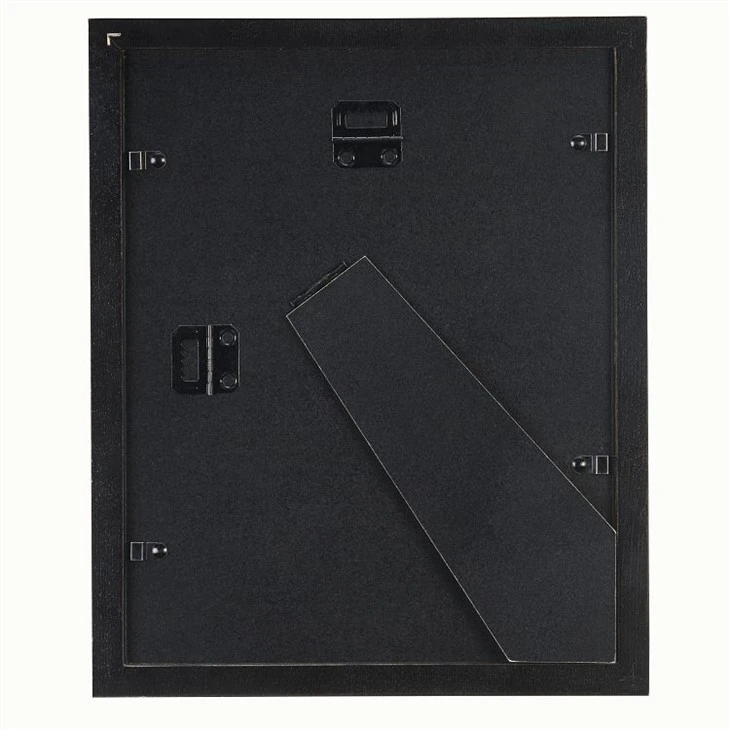
In contrast, plastic frames can be manufactured using injection molding techniques, which are highly automated and can produce a large number of frames in a short period. Metal frames can be fabricated using stamping or extrusion processes, which are also relatively efficient and cost - effective.
Quality of Craftsmanship
Natural wood frames are often associated with high - quality craftsmanship. The attention to detail in shaping, joining, and finishing the wood results in a frame that is not only functional but also aesthetically pleasing. Skilled woodworkers take pride in their work, ensuring that each frame meets the highest standards of quality.
Other types of frames may vary in terms of craftsmanship. While some plastic and metal frames can be well - made, others may be of lower quality, with rough edges or poor finishes. The level of craftsmanship can significantly impact the price of a frame.
Brand Reputation
Established brands that specialize in natural wood frames often command a higher price due to their reputation for quality and design. Customers are willing to pay more for a frame from a well - known brand because they trust the brand's commitment to using high - quality materials and providing excellent customer service.
In the case of other types of frames, brand reputation also plays a role, but it may not have as significant an impact on the price as it does for natural wood frames. Some generic or budget brands of plastic or metal frames may offer lower - priced options, but the quality may not be on par with that of a well - known brand.
Comparing the Prices
Now that we understand the factors that contribute to the pricing of different frame materials, let's compare the prices of natural wood frames and other types of frames.
Natural Wood Frames
Natural wood frames can range in price from relatively affordable to very expensive, depending on the factors mentioned above. A simple pine frame may cost around $20 - $50, while a high - end mahogany or walnut frame can cost several hundred dollars or more.
For example, our Brown Picture Frame is made from high - quality oak wood, with a beautiful brown finish. It is hand - crafted by our skilled woodworkers, ensuring a smooth and durable surface. The price of this frame is $80, which reflects the cost of the material, the labor - intensive manufacturing process, and the high - quality craftsmanship.
Plastic Frames
Plastic frames are generally the most affordable option. A basic plastic frame can cost as little as $5 - $10. These frames are often used for temporary or casual displays, such as in a child's room or for a quick photo display.
However, there are also higher - quality plastic frames available on the market, which may feature better finishes and more sophisticated designs. These frames can cost between $20 - $50, but they still tend to be less expensive than natural wood frames.
Metal Frames
Metal frames offer a good balance between cost and quality. Aluminum frames are lightweight and corrosion - resistant, making them a popular choice for both indoor and outdoor use. A simple aluminum frame can cost around $15 - $30, while a more elaborate metal frame with decorative elements may cost $50 - $100.
Composite Frames
Composite frames are made from a combination of materials, such as wood fibers and resin. They offer some of the benefits of natural wood, such as a warm and natural appearance, at a lower cost. A composite frame can cost between $20 - $60, depending on the quality and design.
The Value of Natural Wood Frames
While natural wood frames may be more expensive than other types of frames in some cases, they offer several unique benefits that make them worth the investment.
Aesthetic Appeal
Natural wood has a timeless and elegant look that can enhance the beauty of any artwork or photograph. The natural grain patterns and textures of the wood add a touch of warmth and character to the frame, making it a focal point of the display.
Durability
Natural wood frames are known for their durability. When properly cared for, a natural wood frame can last for generations. Wood is a strong and stable material that can withstand the test of time, making it a good choice for valuable or heirloom pieces.
Sustainability
As a supplier of natural wood frames, we are committed to using sustainable wood sources. By choosing a natural wood frame, customers are supporting sustainable forestry practices and contributing to the preservation of our environment.
Conclusion
In conclusion, natural wood frames are generally more expensive than other types of frames due to the higher cost of materials, the labor - intensive manufacturing process, the high - quality craftsmanship, and the brand reputation. However, the unique benefits of natural wood frames, such as their aesthetic appeal, durability, and sustainability, make them a valuable investment for many customers.
If you are looking for a high - quality frame that will enhance the beauty of your artwork or photograph and last for a long time, a natural wood frame may be the right choice for you. We offer a wide range of Vintage Photo Frames and Wall Hanging Large Picture Frame made from natural wood, each with its own unique design and character.
If you are interested in purchasing our natural wood frames or have any questions about our products, please feel free to contact us for a detailed discussion and procurement negotiation. We look forward to working with you to find the perfect frame for your needs.
References
- "Woodworking: A Comprehensive Guide" by John Smith
- "The Art of Picture Framing" by Jane Doe
- Industry reports on frame manufacturing and pricing trends