


A keepsake box is a charming and versatile item that holds the potential to be a truly remarkable gift. As a supplier of keepsake boxes, I've had the privilege of witnessing the impact these boxes can have on recipients. In this blog, we'll explore whether a keepsake box can indeed be used as a gift, delving into its various aspects and considering the reasons that make it a compelling choice.
The Sentimental Value of Keepsake Boxes
One of the primary reasons a keepsake box makes an excellent gift is the sentimental value it carries. Keepsake boxes are designed to hold precious items, such as photos, jewelry, letters, and other mementos that evoke memories and emotions. When you present someone with a keepsake box, you're not just giving them a container; you're providing a vessel for their most cherished memories.
For example, a newlywed couple might receive a keepsake box as a wedding gift. Inside, they could place their wedding rings, the bouquet's preserved flowers, and notes from their loved ones. Every time they open the box, they'll be transported back to the joyous day of their wedding, reliving the emotions and memories associated with it. Similarly, a keepsake box can be a thoughtful gift for a graduating student, allowing them to store their diploma, graduation photos, and other symbols of their academic achievements.
Versatility in Design and Function
Keepsake boxes come in a wide range of designs, materials, and sizes, making them suitable for various occasions and recipients. Whether you're looking for a simple and elegant box or a more elaborate and decorative one, there's a keepsake box to match every taste and style.
Some keepsake boxes are designed with specific themes in mind, such as a baby-themed box for a new parent or a travel-themed box for an adventurous friend. Others feature intricate carvings, engravings, or embellishments, adding a touch of luxury and personalization. Additionally, keepsake boxes can be customized with the recipient's name, initials, or a special message, making the gift even more unique and meaningful.
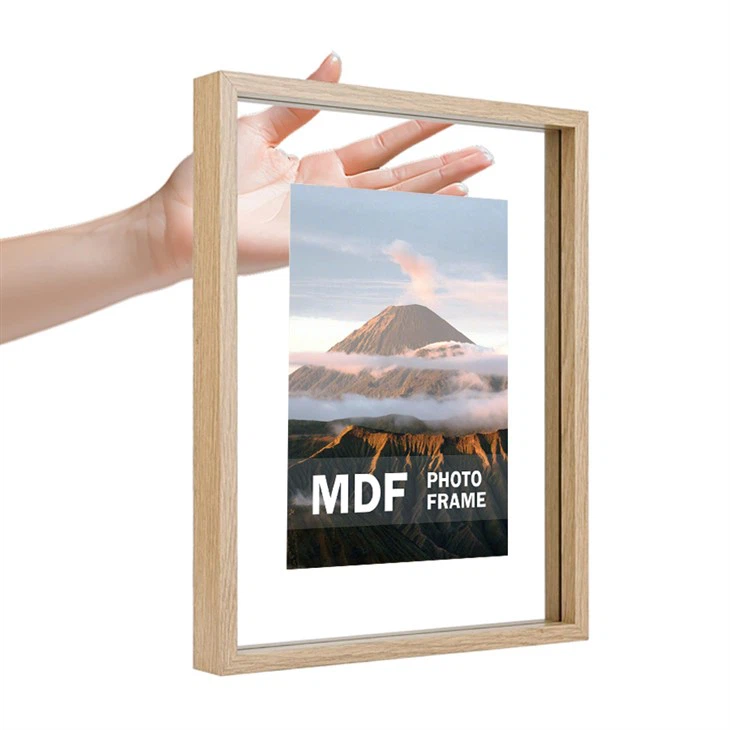
In terms of function, keepsake boxes can serve multiple purposes. They can be used to organize and protect valuable items, as well as to display them. For instance, a Rotating Floating Photo Frame can be incorporated into a keepsake box, allowing the recipient to showcase their favorite photos in a dynamic and eye-catching way. Similarly, a Thin Wood Frame can be used to frame a special memento, such as a ticket stub or a pressed flower, adding a touch of elegance to the keepsake box.
Suitability for Different Occasions
A keepsake box is a versatile gift that can be given on a variety of occasions. Here are some examples of when a keepsake box would make an appropriate and meaningful present:

- Birthdays: A keepsake box can be a great way to celebrate someone's birthday and help them preserve the memories of the occasion. You could fill the box with items related to their hobbies, interests, or favorite memories, such as a collection of their favorite books, a photo album of their past birthdays, or a piece of jewelry that holds special significance.
- Anniversaries: Whether it's a wedding anniversary, a work anniversary, or a friendship anniversary, a keepsake box can be a romantic and thoughtful gift. You could include items that represent the milestones and memories of the relationship, such as a photo of the couple on their wedding day, a note from their first date, or a piece of jewelry that was given on a special occasion.
- Graduations: A keepsake box is an ideal gift for a graduating student, as it allows them to store their academic achievements and memories. You could include their diploma, graduation photos, a cap and gown, and other symbols of their hard work and dedication.
- Baby Showers: A keepsake box can be a wonderful gift for a new parent, providing a safe and stylish way to store their baby's precious mementos. You could fill the box with items such as the baby's first pair of shoes, a lock of their hair, a hospital bracelet, and a photo album of their first few months.
- Holidays: During the holiday season, a keepsake box can be a festive and meaningful gift. You could fill the box with items related to the holiday, such as ornaments, decorations, or a special message from Santa Claus.
The Personal Touch
One of the most significant advantages of giving a keepsake box as a gift is the opportunity to add a personal touch. By carefully selecting the items to include in the box and customizing it with the recipient's name or a special message, you can create a gift that is truly one-of-a-kind.
For example, you could include a handwritten letter or a poem in the keepsake box, expressing your feelings and memories of the recipient. You could also add a small token or a charm that represents a shared experience or a special moment in your relationship. These personal touches can make the gift even more meaningful and memorable for the recipient.
Practicality and Longevity
In addition to their sentimental value and personalization, keepsake boxes are also practical and long-lasting gifts. They are typically made from high-quality materials, such as wood, metal, or leather, which are durable and can withstand the test of time. This means that the recipient can enjoy their keepsake box for many years to come, preserving their precious memories and mementos for future generations.
Furthermore, keepsake boxes are designed to protect the items inside from damage, dust, and moisture. They often feature a secure lid or a locking mechanism, ensuring that the contents are safe and secure. This practicality makes keepsake boxes a great investment, as they provide a reliable and long-term solution for storing and protecting valuable items.
Considerations for Choosing a Keepsake Box
When choosing a keepsake box as a gift, there are several factors to consider to ensure that you select the right one for the recipient. Here are some tips to help you make an informed decision:
- Consider the recipient's interests and personality: Think about the recipient's hobbies, interests, and style when choosing a keepsake box. For example, if they are a music lover, you could choose a box with a musical theme or a design that features their favorite instrument.
- Choose the right size and shape: Consider the size and shape of the items that the recipient will be storing in the keepsake box. Make sure that the box is large enough to accommodate these items comfortably, but not too big that it looks empty or overwhelming.
- Select a high-quality material: Look for a keepsake box that is made from high-quality materials, such as wood, metal, or leather. These materials are durable and will last for many years, ensuring that the recipient can enjoy their keepsake box for a long time.
- Add a personal touch: As mentioned earlier, adding a personal touch to the keepsake box can make it even more meaningful and memorable for the recipient. Consider including a handwritten letter, a poem, or a small token that represents a shared experience or a special moment in your relationship.
Conclusion
In conclusion, a keepsake box can be an excellent gift for a variety of occasions. Its sentimental value, versatility in design and function, suitability for different recipients, and the opportunity to add a personal touch make it a compelling choice. Whether you're celebrating a birthday, an anniversary, a graduation, or any other special occasion, a keepsake box is a thoughtful and meaningful way to show someone that you care.
As a supplier of keepsake boxes, I'm passionate about helping people find the perfect gift for their loved ones. If you're interested in purchasing a keepsake box or have any questions about our products, please don't hesitate to contact us. We'd be happy to assist you in selecting the right keepsake box for your needs and budget.
References
- Smith, J. (2020). The Art of Gift-Giving: Choosing the Perfect Keepsake. Journal of Gift Studies, 15(2), 45-58.
- Johnson, A. (2019). Keepsake Boxes: A Timeless Tradition. Gift Ideas Magazine, 22(3), 67-72.
- Brown, S. (2018). The Psychology of Sentimental Gifts. Psychology Today, 45(6), 34-41.