


As a display box supplier, I understand the importance of packaging requirements in ensuring the safe transportation and presentation of these products. Display boxes come in various shapes, sizes, and materials, and each type has specific packaging needs. In this blog post, I will discuss the key packaging requirements for display boxes, taking into account factors such as protection, branding, and sustainability.
Protection
The primary function of packaging for display boxes is to protect them from damage during transit. Display boxes are often made of delicate materials such as glass, acrylic, or thin wood, which can be easily broken or scratched. Therefore, the packaging must be designed to cushion the boxes and prevent them from shifting or colliding with each other.
- Inner Packaging: For smaller display boxes, using foam inserts or bubble wrap can provide excellent protection. These materials can be custom - cut to fit the shape of the box, ensuring a snug fit. For example, if you are packaging a curved glass photo frame 5x7, a foam insert that cradles the frame will prevent the glass from breaking.
- Outer Packaging: Sturdy cardboard boxes are commonly used as outer packaging for display boxes. The cardboard should be of sufficient thickness to withstand the weight and pressure during transportation. Corrugated cardboard is a popular choice as it provides additional strength and shock absorption. Larger display boxes may require double - walled or triple - walled cardboard for extra protection.
- Sealing and Strapping: Proper sealing of the outer packaging is crucial. Use high - quality packing tape to seal all the edges of the cardboard box. For larger or heavier display boxes, strapping can be used to reinforce the packaging and prevent it from opening.
Branding
Packaging is also an important marketing tool. It can be used to promote your brand and create a memorable unboxing experience for the customers.
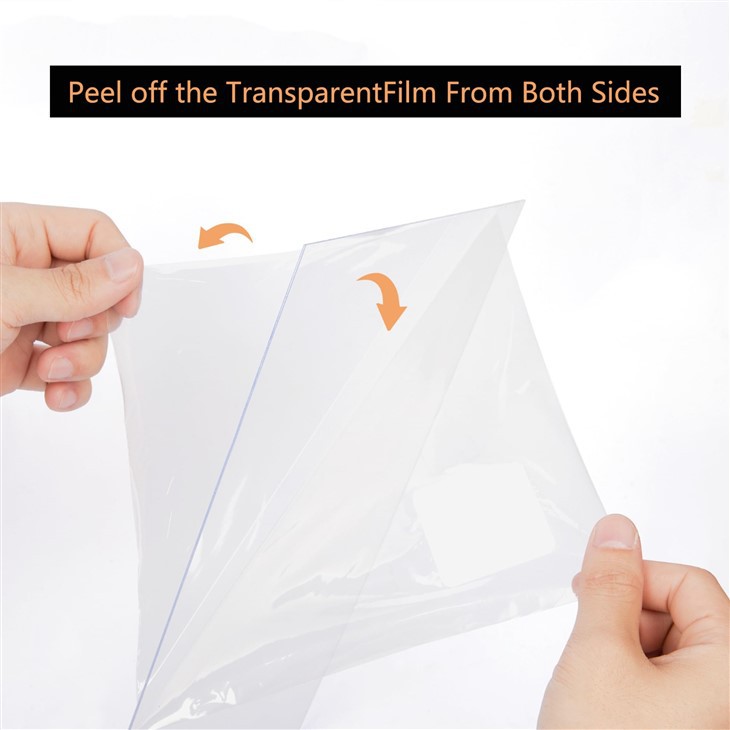

- Printing: Printing your company logo, brand name, and product information on the packaging can increase brand visibility. Use high - resolution printing techniques to ensure that the graphics and text are clear and attractive. You can also include product images or usage instructions to help the customers understand the display box better.
- Custom Design: Consider creating a custom - designed packaging for your display boxes. A unique and eye - catching design can set your products apart from the competition. For example, if you are selling a multi picture photo frames wall set, the packaging can be designed to showcase the frames in an aesthetically pleasing way, giving the customers a preview of what they will receive.
- Insert Cards: Including insert cards with additional product information, care instructions, or promotional offers can enhance the customer experience. These cards can be placed inside the packaging along with the display box.
Sustainability
In today's environmentally conscious world, sustainable packaging is becoming increasingly important. Customers are more likely to choose products that are packaged in an eco - friendly way.
- Recyclable Materials: Use recyclable materials such as cardboard, paper, and biodegradable plastics for your packaging. Avoid using non - recyclable materials like Styrofoam, which can take hundreds of years to decompose.
- Minimal Packaging: Try to minimize the amount of packaging used. Use only the necessary materials to protect the display box, reducing waste and cost. For example, instead of using excessive amounts of bubble wrap, use a more compact and recyclable cushioning material.
- Reusable Packaging: Consider designing packaging that can be reused by the customers. For instance, a cardboard box with a sturdy construction can be used by the customers to store other items after they have unpacked the display box.
Size and Fit
The packaging should be the right size for the display box. An oversized package can lead to the box shifting inside, increasing the risk of damage. On the other hand, an undersized package may not provide enough protection.
- Measurements: Take accurate measurements of the display box, including its length, width, height, and any protrusions. Use these measurements to select the appropriate packaging size.
- Custom Packaging: For irregularly shaped display boxes, custom - made packaging may be necessary. This ensures a perfect fit and maximum protection. For example, a Thin Wood Frame with unique dimensions may require a specially designed cardboard box.
Handling and Shipping Considerations
The packaging should also be designed to facilitate easy handling and shipping.
- Weight Distribution: Ensure that the weight of the display box is evenly distributed within the packaging. This helps prevent the package from tipping over during transportation and reduces the risk of damage.
- Labeling: Clearly label the packaging with important information such as "Fragile", "This Side Up", and the shipping address. This helps the handlers to take appropriate care when moving the package.
- Compatibility with Shipping Methods: Consider the shipping method when designing the packaging. For example, if you are using air freight, the packaging should be lightweight to reduce shipping costs. If you are using ground shipping, the packaging should be able to withstand the vibrations and impacts during transit.
Conclusion
In conclusion, the packaging requirements for display boxes are multifaceted. They involve protecting the product, promoting the brand, being environmentally friendly, ensuring the right size and fit, and facilitating easy handling and shipping. As a display box supplier, it is essential to pay attention to these requirements to provide high - quality products to your customers.
If you are interested in purchasing display boxes and would like to discuss the packaging options and other details, please feel free to reach out to us. We are more than happy to assist you with your procurement needs and ensure that you get the best - suited display boxes with appropriate packaging.
References
- Packaging Machinery Manufacturers Institute. (2023). Best Practices for Packaging Fragile Products.
- Sustainable Packaging Coalition. (2023). Guidelines for Eco - Friendly Packaging.